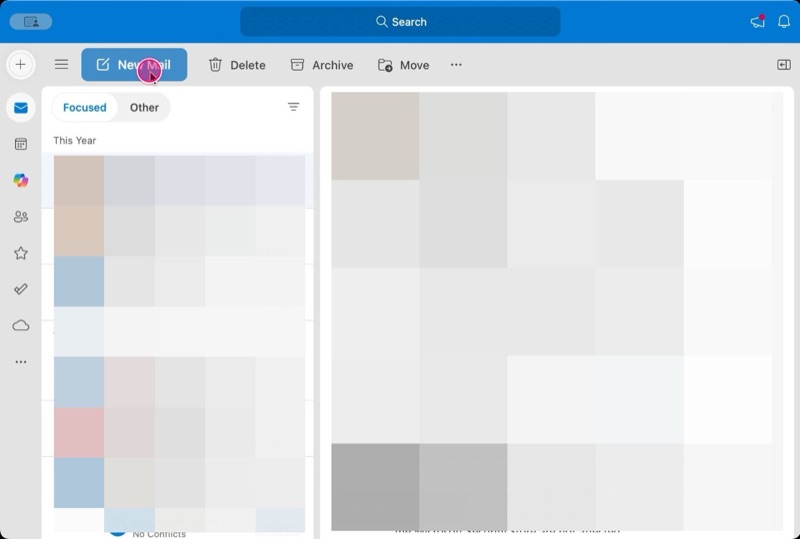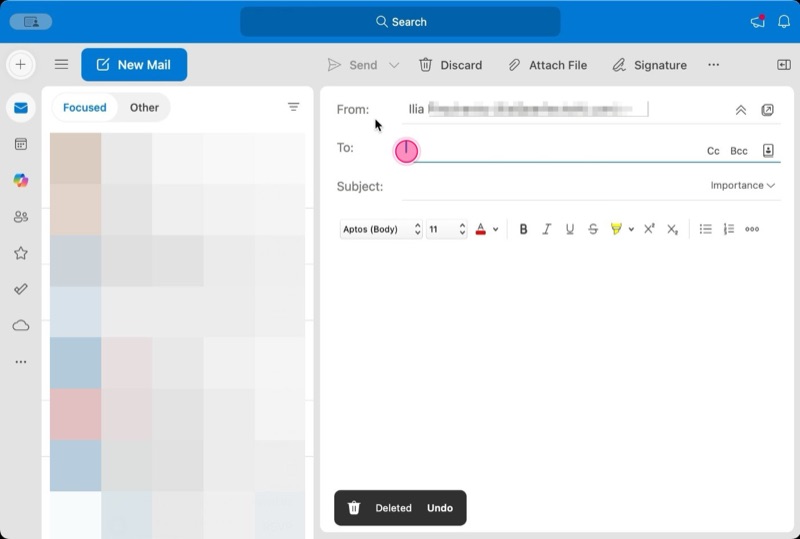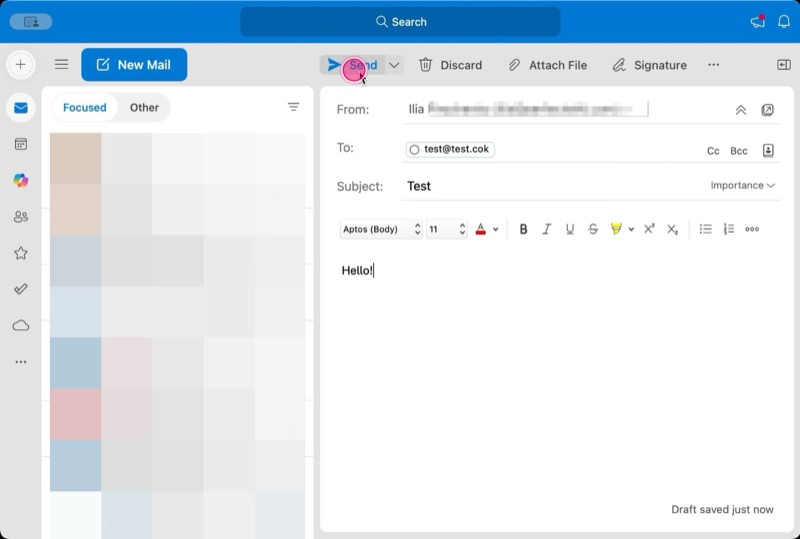


- Owner
- HR Manager
- Effective date
- September 15, 2026
- Review cycle
- Every 12 months
1.Purpose
To evaluate employee performance against agreed goals on a consistent schedule, document the outcome, and turn the review into a clear development plan.
2.Scope
Applies to all regular employees during scheduled review cycles and any interim reviews requested by a manager. Day-to-day one-on-ones and disciplinary matters are covered separately.
Definitions
- Review cycle
- The defined period, such as a half or a full year, that a performance review covers.
- Calibration
- A meeting where managers compare ratings across their teams to keep scoring consistent before ratings are finalized.
- HRIS
- The human resources information system used to store goals, ratings and review documents.
3.Responsibilities
- Employee
- Sets goals, tracks progress, completes a self-assessment and takes part in the review conversation.
- Manager
- Agrees goals, gathers feedback, writes the assessment, delivers the review and confirms the development plan.
- HR Business Partner
- Runs the review cycle timeline, facilitates calibration and checks ratings for consistency and bias.
RACI matrix
| Activity | Employee | Manager | HR Business Partner |
|---|---|---|---|
| Set and agree annual goals | R | R/A | I |
| Complete self-assessment | R/A | I | - |
| Write manager assessment | C | R/A | C |
| Calibrate ratings across teams | - | R | R/A |
| Deliver review and development plan | C | R/A | I |
R = Responsible, A = Accountable, C = Consulted, I = Informed
4.Materials and PPE
Materials, tools and systems
- →HRIS or performance management system
- →Goal-setting template
- →Self-assessment form
- →Manager assessment and rating guide
- →Calibration tracking sheet
- →Development plan template
5.Procedure
- 5.1
Set goals for the cycle
ManagerAt the start of the review cycle, the employee and manager agree three to six measurable goals and enter them in the HRIS within the first two weeks of the cycle.
Checkpoint: Goals are specific and measurable, not just a list of duties.
- 5.2
Track progress through the cycle
ManagerThe manager and employee review goal progress during regular one-on-ones and note any changes to priorities or targets directly in the HRIS.
- 5.3
Open the review cycle
HR Business PartnerHR opens the review cycle in the HRIS on the published schedule, sets the deadlines for self-assessment and manager review, and notifies all participants.
- 5.4
Complete the self-assessment
EmployeeThe employee rates their progress against each goal, adds supporting examples, and submits the self-assessment in the HRIS before the deadline.
- 5.5
Collect peer or upward feedback
ManagerWhere the process includes multi-rater feedback, the manager requests input from relevant peers or stakeholders and reviews it before writing the assessment.
- 5.6
Write the manager assessment
ManagerThe manager rates each goal, writes specific examples of strengths and areas to improve, and proposes an overall rating in the HRIS.
Warning: Base ratings on documented performance, not on recent events alone.
- 5.7
Calibrate ratings
HR Business PartnerThe HR business partner facilitates a calibration meeting where managers compare proposed ratings across their teams and adjust any that are inconsistent with the evidence.
Checkpoint: Ratings are consistent with written evidence before they are finalized.
- 5.8
Finalize the rating
ManagerThe manager updates the assessment in the HRIS with the calibrated rating and prepares talking points for the review conversation.
- 5.9
Hold the review conversation
ManagerThe manager meets with the employee to discuss the assessment, the rating and the reasoning behind it, and gives the employee time to respond.
Checkpoint: The employee has a chance to ask questions and add comments before the review is closed.
- 5.10
Agree a development plan
ManagerThe manager and employee agree specific development actions, such as training or stretch assignments, and record them in the development plan template.
- 5.11
Close and file the review
ManagerThe manager marks the review complete in the HRIS. HR confirms all reviews for the cycle are signed and archives the records per the records retention policy.
6.Quality checks
- →Every employee has documented goals within two weeks of the cycle opening.
- →Self-assessments and manager assessments are complete before calibration.
- →Ratings changed at calibration have a documented reason.
- →Every completed review has a signed development plan on file.
7.Records
- →Goal-setting records for the cycle
- →Self-assessment and manager assessment
- →Calibration notes and rating changes
- →Signed development plan
8.KPIs
- →Percentage of reviews completed by the deadline
- →Distribution of ratings across the organization
- →Percentage of employees with an active development plan
- →Employee satisfaction with the review process
9.Common mistakes
- →Setting goals so vague that progress cannot be measured.
- →Writing the assessment from memory instead of documented examples.
- →Skipping calibration for smaller teams.
- →Treating the development plan as a formality with no follow-up.
10.Revision history
| Revision | Date | Description | Reviewed by |
|---|---|---|---|
| 1.0 | September 15, 2026 | Initial release | Alexa Uskova |
This is a template. Adapt it to your organization, equipment and local regulations before use.