

- Owner
- IT Service Delivery Manager
- Effective date
- September 15, 2026
- Review cycle
- Every 12 months
1.Purpose
To provide a consistent process for logging, triaging, resolving and closing everyday IT support requests, so users get timely help and recurring issues get fixed for good.
2.Scope
Applies to general IT support requests and questions submitted by phone, chat, email or self-service portal to the help desk. Major incidents follow the incident management SOP and formal changes follow the change management SOP.
Definitions
- Ticket
- A logged record of a support request from submission to resolution.
- First-contact resolution
- Resolving a request during the initial interaction, without escalation or follow-up contact.
- Service catalog
- The list of standard IT services and request categories users can ask for.
- Escalation
- Passing a ticket to a more specialized team when first-line support cannot resolve it.
3.Responsibilities
- Service Desk Analyst
- Logs tickets, attempts first-contact resolution, and confirms fixes with users.
- Support Agent
- Resolves escalated tickets that require deeper technical investigation.
- Team Lead
- Reviews SLA breaches and coaches the team on recurring issues.
- End User
- Reports the issue, provides needed details, and confirms whether the fix worked.
RACI matrix
| Activity | Service Desk Analyst | Support Agent | Team Lead | End User |
|---|---|---|---|---|
| Log and categorize the ticket | R/A | I | I | C |
| Attempt first-contact resolution | R/A | I | I | C |
| Escalate and resolve at Tier 2 | R | R/A | I | I |
| Confirm resolution and close the ticket | R/A | I | I | C |
| Review SLA breaches and repeat issues | C | C | R/A | - |
R = Responsible, A = Accountable, C = Consulted, I = Informed
4.Materials and PPE
Materials, tools and systems
- →Ticketing system
- →Knowledge base
- →Service catalog
- →Remote support tool
- →SLA and priority matrix
5.Procedure
- 5.1
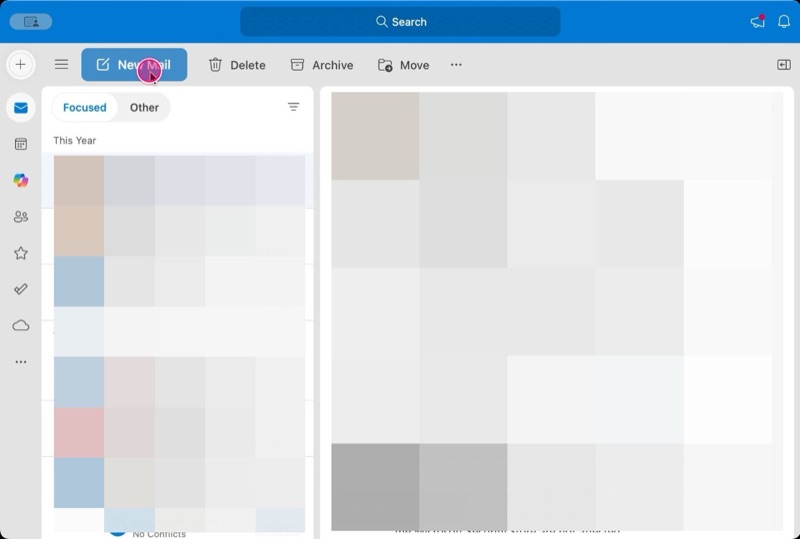
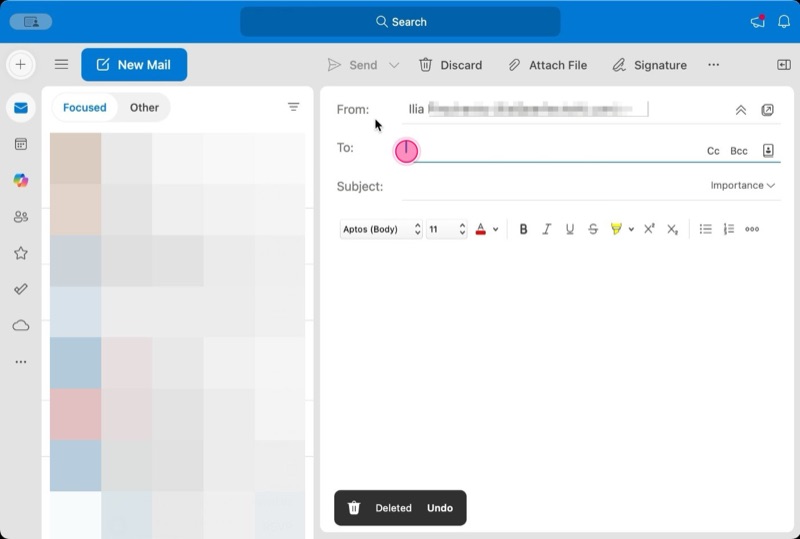
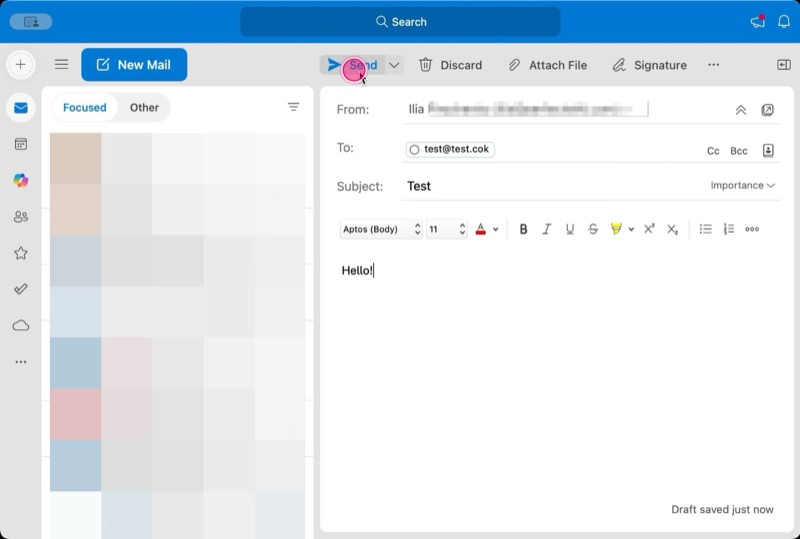
Log every request as a ticket
Service Desk AnalystThe Service Desk Analyst logs each request as a ticket with the user's contact details, category and a description of the issue, regardless of how it was received.
- 5.2
Categorize and prioritize
Service Desk AnalystThe Service Desk Analyst assigns a category and priority to the ticket using the service catalog and priority matrix, which determines routing and target response time.
Checkpoint: The category matches the service catalog entry and drives the correct routing and SLA.
- 5.3
Attempt first-contact resolution
Service Desk AnalystThe Service Desk Analyst attempts to resolve the request immediately using documented procedures and the knowledge base.
- 5.4
Request more information if needed
Service Desk AnalystIf more detail is needed, the Service Desk Analyst sets the ticket to pending and asks the user for the specific information required to continue.
- 5.5
Escalate to Tier 2 support
Service Desk AnalystIf the issue is not resolved within the first-line time allowance, the Service Desk Analyst escalates the ticket to a Support Agent with full troubleshooting notes attached.
Warning: Never escalate a ticket without reproducible steps and prior troubleshooting notes; it wastes the Support Agent's time and delays the user.
- 5.6
Investigate and resolve
Support AgentThe Support Agent investigates the escalated ticket, applying deeper technical troubleshooting to resolve the issue.
- 5.7
Update progress notes
Support AgentWhoever owns the ticket updates progress notes each time its status changes, so anyone picking it up later has full context.
- 5.8
Confirm the fix with the user
Service Desk AnalystThe Service Desk Analyst contacts the user to confirm the issue is resolved before closing the ticket.
Checkpoint: The ticket is not closed until the user explicitly confirms the issue is resolved.
- 5.9
Document new resolutions
Support AgentThe Support Agent adds a knowledge base article for any fix that was not previously documented, so future tickets can be resolved at first contact.
- 5.10
Close the ticket
Service Desk AnalystThe Service Desk Analyst closes the ticket and sends the user a closure notification summarizing the resolution.
- 5.11
Review SLA breaches weekly
Team LeadThe Team Lead reviews tickets that breached their target response or resolution time in the weekly team huddle to identify causes.
- 5.12
Follow up on recurring issues
Team LeadThe Team Lead investigates repeat or recurring tickets to identify a root cause for a permanent fix rather than repeated workarounds.
6.Quality checks
- →Every request is logged as a ticket, none handled without a record.
- →Tickets are categorized correctly according to the service catalog.
- →Users confirm resolution before a ticket is closed.
- →SLA breaches are reviewed weekly and recurring issues are tracked to a root cause.
7.Records
- →Help desk ticket history
- →Knowledge base article for new resolutions
- →Weekly SLA breach review notes
8.KPIs
- →First-contact resolution rate
- →Average time to resolution by category
- →Percentage of tickets closed within SLA
- →Customer satisfaction score at ticket closure
9.Common mistakes
- →Resolving an issue verbally or over chat without logging a ticket.
- →Closing a ticket without the user confirming the fix worked.
- →Escalating a ticket without adequate troubleshooting notes attached.
- →Not documenting a new fix in the knowledge base for reuse.
10.Revision history
| Revision | Date | Description | Reviewed by |
|---|---|---|---|
| 1.0 | September 15, 2026 | Initial release | Ilia Pirozhenko |
This is a template. Adapt it to your organization, equipment and local regulations before use.