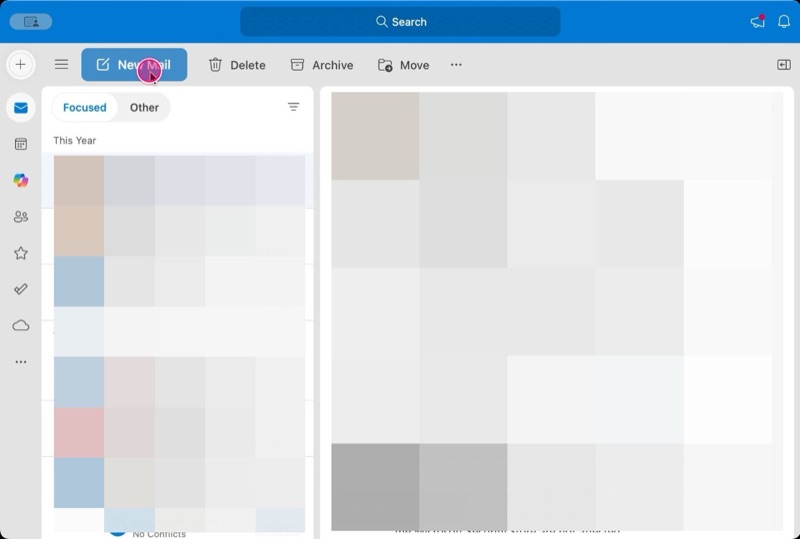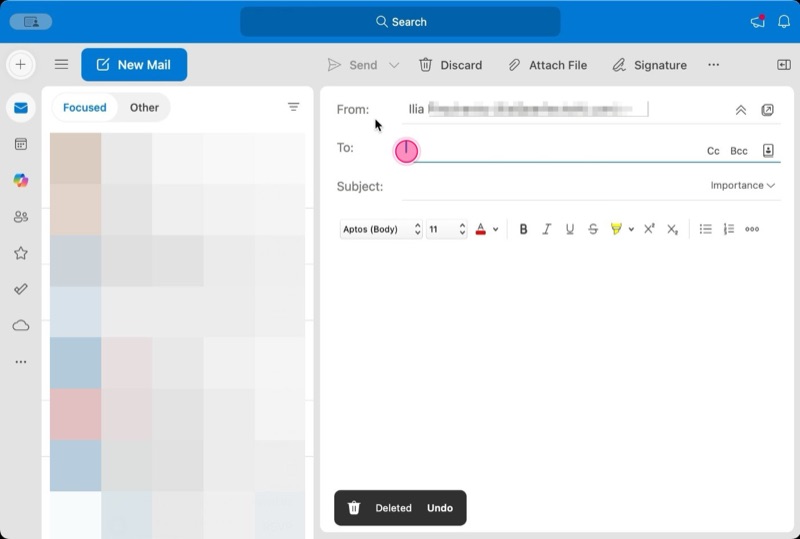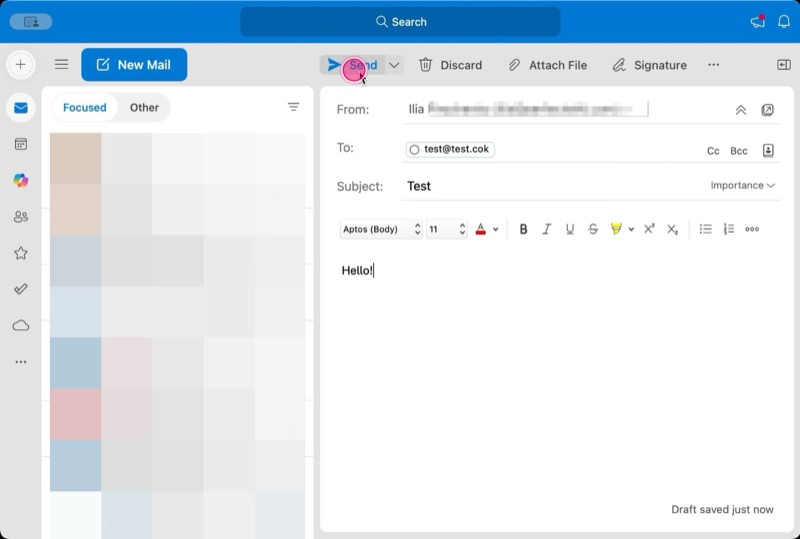


- Owner
- Maintenance Manager
- Effective date
- September 15, 2026
- Review cycle
- Every 12 months
1.Purpose
To make sure an unplanned equipment breakdown is reported, made safe, diagnosed and repaired quickly, and that the cause is reviewed so repeat failures are reduced.
2.Scope
Applies to unplanned breakdowns of production or facility equipment that stop or degrade normal operation. Scheduled preventive maintenance and routine work order requests are covered by separate SOPs.
Definitions
- Breakdown
- An unplanned stoppage or loss of function in a piece of equipment during normal operation.
- Root cause
- The underlying reason a failure occurred, as opposed to the immediate symptom that was repaired.
- Mean time to repair
- The average time from a breakdown being reported to the equipment being back in service.
- Critical asset
- Equipment whose failure has a major impact on safety, production or customer service, requiring the fastest response.
3.Responsibilities
- Equipment Operator
- Stops the equipment safely, reports the breakdown immediately, and stays available to describe the fault to maintenance.
- Maintenance Technician
- Diagnoses the failure, performs the repair, and documents the cause and actions taken.
- Maintenance Supervisor
- Coordinates the response, expedites parts, and decides when to escalate a critical asset failure.
- Production Supervisor
- Manages the operational impact of the downtime and confirms the equipment is ready to resume production.
RACI matrix
| Activity | Equipment Operator | Maintenance Technician | Maintenance Supervisor | Production Supervisor |
|---|---|---|---|---|
| Stop the equipment safely and report the breakdown | R/A | I | I | I |
| Assess severity and dispatch a technician | C | I | R/A | C |
| Diagnose and repair the failure | I | R/A | C | I |
| Approve expedited parts orders | - | R | A | I |
| Conduct the root cause review | C | R | A | C |
R = Responsible, A = Accountable, C = Consulted, I = Informed
4.Materials and PPE
Materials, tools and systems
- →CMMS for breakdown reporting and history
- →Lockout/tagout devices
- →Diagnostic and hand tools for the equipment type
- →Spare parts inventory records
- →Root cause analysis form
Personal protective equipment
- →Safety glasses
- →Gloves appropriate to the equipment
- →Hearing protection
- →Arc-rated clothing for electrical diagnostics where required
5.Procedure
- 5.1
Stop the equipment safely
Equipment OperatorOperator stops the equipment using the normal or emergency stop as the situation requires, and moves clear of any hazard such as a jam, spill or exposed moving part.
Warning: Never reach into a jammed machine or attempt a quick fix on energized or moving equipment.
- 5.2
Report the breakdown immediately
Equipment OperatorOperator reports the breakdown to maintenance and the production supervisor right away, describing the equipment, what happened, and any warning signs beforehand.
- 5.3
Assess severity and dispatch a technician
Maintenance SupervisorMaintenance supervisor assesses whether the asset is critical and safety- or production-impacting, and dispatches the appropriately skilled technician.
Checkpoint: Critical asset breakdowns are dispatched to a technician within the site's target response time.
- 5.4
Apply lockout/tagout before inspection
Maintenance TechnicianTechnician isolates and locks out all energy sources on the equipment before inspecting or touching any component, per the site's lockout tagout procedure.
Warning: Do not inspect or repair the equipment before lockout/tagout is applied and verified.
- 5.5
Interview the operator and review recent history
Maintenance TechnicianTechnician asks the operator what happened immediately before the failure and checks the asset's recent PM and repair history in the CMMS for clues.
- 5.6
Diagnose the failure
Maintenance TechnicianTechnician inspects and tests the equipment to identify the failed component and the likely root cause, rather than only the symptom that stopped the machine.
- 5.7
Expedite parts if not in stock
Maintenance SupervisorIf the needed part isn't in the spare parts inventory, the technician requests expedited sourcing from the maintenance supervisor, who approves the cost or arranges a temporary workaround.
- 5.8
Execute the repair
Maintenance TechnicianTechnician repairs or replaces the failed component per the manufacturer's instructions or the applicable maintenance procedure.
- 5.9
Remove lockout and test under load
Maintenance TechnicianTechnician removes lockout/tagout in the correct sequence, then runs the equipment under normal operating load to confirm the failure does not recur.
Checkpoint: Equipment runs under normal load without recurrence of the fault before being released to production.
- 5.10
Return the equipment to production
Production SupervisorTechnician confirms with the production supervisor and operator that the equipment is ready, and documents the handback time.
- 5.11
Document the breakdown in the CMMS
Maintenance TechnicianTechnician records the failure mode, root cause, downtime duration, parts used and actions taken on the breakdown work order in the CMMS.
- 5.12
Conduct a root cause review for repeat or critical failures
Maintenance SupervisorMaintenance supervisor leads a root cause review with the technician and production supervisor for any repeat failure or critical asset breakdown, and assigns corrective actions to prevent recurrence.
6.Quality checks
- →Critical asset breakdowns are dispatched within the target response time at least 90 percent of the time.
- →Every breakdown work order records a root cause, not only the immediate symptom.
- →Repeat failures on the same asset within a set period trigger a root cause review.
- →Corrective actions from root cause reviews are tracked to completion.
7.Records
- →Breakdown work order in the CMMS
- →Root cause analysis forms
- →Expedited parts order log
- →Downtime and mean time to repair log
8.KPIs
- →Mean time to repair
- →Mean time between failures for critical assets
- →Percentage of breakdowns dispatched within target response time
- →Repeat failure rate on the same asset
9.Common mistakes
- →Restarting equipment to see if the problem clears itself instead of diagnosing it.
- →Skipping lockout/tagout because the repair looks quick.
- →Repairing the symptom without identifying or recording the root cause.
- →Not interviewing the operator, missing clues about what happened before the failure.
- →Skipping the root cause review after a repeat failure on the same asset.
10.Revision history
| Revision | Date | Description | Reviewed by |
|---|---|---|---|
| 1.0 | September 15, 2026 | Initial release | Ilia Pirozhenko |
This is a template. Adapt it to your organization, equipment and local regulations before use.