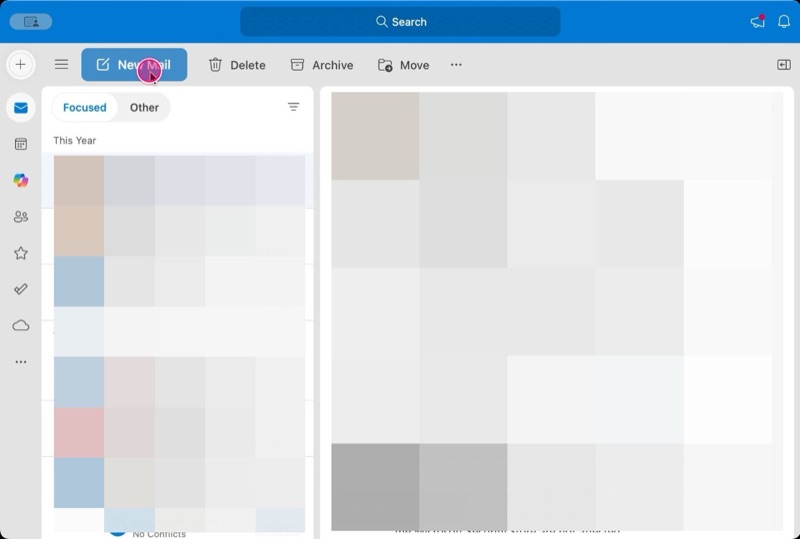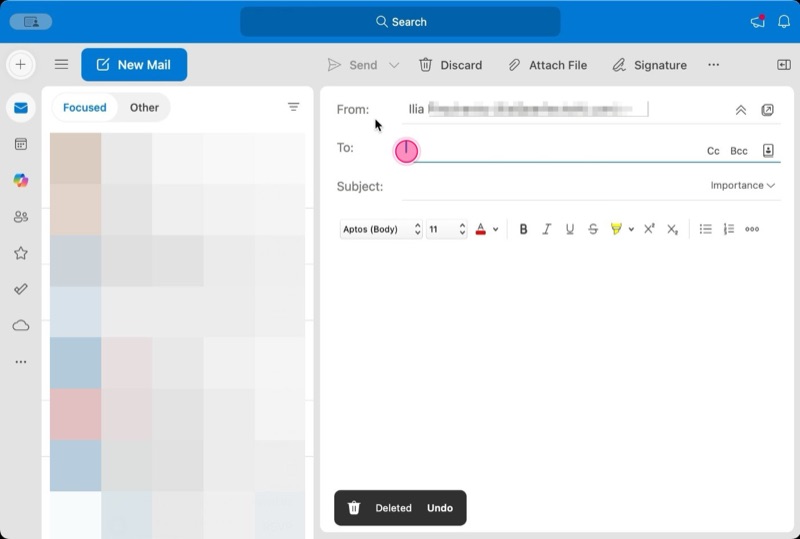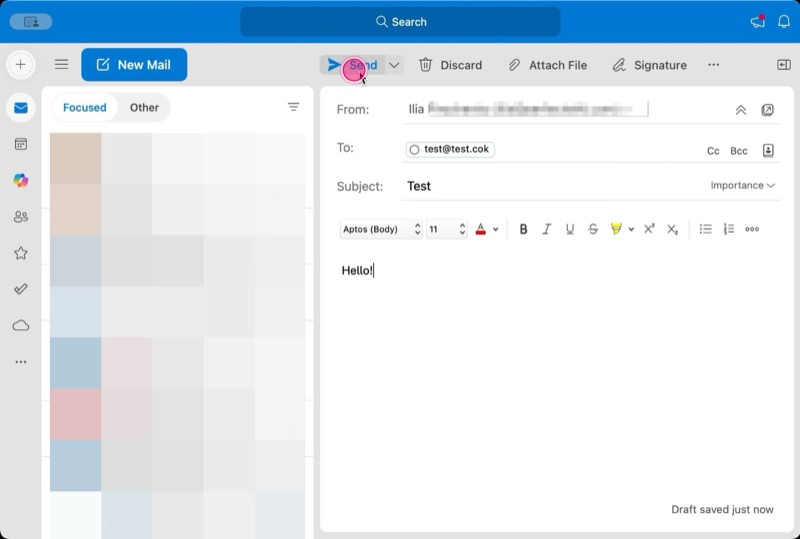


- Owner
- Training Manager
- Effective date
- September 15, 2026
- Review cycle
- Every 12 months
1.Purpose
To make sure every employee affected by a new or revised SOP is trained on it and to keep a signed record proving they understood and can follow it.
2.Scope
Applies whenever a new SOP is issued or an existing SOP is revised. General skills or role training is covered by the employee training SOP; this SOP is specifically about SOP distribution and sign-off.
Definitions
- Sign-off
- The employee's signed or electronic acknowledgment that they have read, been trained on, and understood a specific SOP.
- Effective date
- The date a new or revised SOP becomes the required way of working, after which staff must follow the updated version.
- Document control
- The function that manages SOP versions and confirms the correct version is the one being trained.
3.Responsibilities
- Training Coordinator
- Assigns SOP training, distributes the current version, and tracks sign-off completion.
- Supervisor
- Confirms staff attend training, observes competency where required, and countersigns acknowledgments.
- Employee
- Reads or attends training on the SOP, asks questions, and signs the acknowledgment honestly.
- Document Control Owner
- Confirms the version being trained is the current approved version and notifies training when an SOP changes.
RACI matrix
| Activity | Training Coordinator | Supervisor | Employee | Document Control Owner |
|---|---|---|---|---|
| Identify staff affected by a new or revised SOP | R/A | C | I | C |
| Distribute the current SOP version | R | I | I | A |
| Deliver training or walkthrough | R/A | R | R | - |
| Verify comprehension | R | R/A | R | - |
| Collect and log sign-off | R/A | R | R | I |
R = Responsible, A = Accountable, C = Consulted, I = Informed
4.Materials and PPE
Materials, tools and systems
- →Current approved SOP document
- →Sign-off log or LMS acknowledgment module
- →Comprehension quiz or observation checklist
- →SOP distribution list by role or team
- →Version history and effective date record
5.Procedure
- 5.1
Identify staff who need training
Training CoordinatorWhen a new SOP is issued or an existing one is revised, the training coordinator identifies every role or team that performs the procedure and needs to be trained.
- 5.2
Confirm the current approved version
Document Control OwnerThe document control owner confirms the SOP version, revision number and effective date before it is distributed for training.
Checkpoint: Only the current approved version, matching the version number in document control, is used for training.
- 5.3
Assign the training
Training CoordinatorThe training coordinator assigns the SOP as a required training item in the LMS, or schedules an in-person session, with a deadline before the SOP's effective date.
- 5.4
Distribute the SOP document
Training CoordinatorThe training coordinator gives each employee access to the full current SOP, either through the LMS, the document control system, or a printed copy at the work area.
- 5.5
Walk through the SOP
SupervisorThe supervisor or training coordinator walks the group or individual through the SOP step by step, highlighting anything that changed from the previous version and answering questions.
- 5.6
Demonstrate or observe the procedure
SupervisorFor hands-on procedures, the supervisor observes the employee performing the steps and compares what they do against the written SOP.
- 5.7
Verify comprehension
EmployeeThe employee completes a short quiz or answers scenario questions about the SOP to confirm they understood the key steps, checkpoints and warnings.
Checkpoint: The employee demonstrates understanding of the checkpoints and warnings in the SOP, not just general awareness that it exists.
- 5.8
Employee signs the acknowledgment
EmployeeThe employee signs or electronically acknowledges that they have read, been trained on and understood the current version of the SOP, referencing its version number.
- 5.9
Supervisor countersigns
SupervisorThe supervisor countersigns the acknowledgment to confirm the training or observation took place as described.
Checkpoint: No sign-off is logged as complete without both the employee's and the supervisor's signature.
- 5.10
Log the sign-off
Training CoordinatorThe training coordinator logs the completed sign-off against the employee's name, the SOP number and version, and the completion date in the sign-off log or LMS.
- 5.11
Track overdue sign-offs
Training CoordinatorThe training coordinator runs a report before the SOP's effective date to identify anyone who has not yet signed off and follows up with their supervisor.
- 5.12
Retrain on the next revision
Document Control OwnerWhen the SOP is revised again, the document control owner notifies the training coordinator, who repeats the process for the new version rather than assuming prior sign-off still applies.
6.Quality checks
- →Every affected employee has a logged sign-off before the SOP's effective date.
- →Sign-off records reference the correct SOP version number.
- →Comprehension checks show understanding of checkpoints and warnings, not just attendance.
- →Revised SOPs trigger a new round of sign-off rather than reusing old records.
7.Records
- →Sign-off log with employee name, SOP number, version and date
- →Comprehension quiz or observation results
- →SOP version history and effective dates
- →Overdue sign-off follow-up notes
8.KPIs
- →Percentage of affected staff signed off before the effective date
- →Average time from SOP issue to full team sign-off
- →Number of overdue sign-offs outstanding
- →Comprehension check pass rate on first attempt
9.Common mistakes
- →Training staff on an outdated draft instead of the current approved version.
- →Collecting a signature without actually walking through the SOP content.
- →Not tracking who still needs to sign off after the rollout day.
- →Assuming sign-off on an earlier version still counts after a revision.
10.Revision history
| Revision | Date | Description | Reviewed by |
|---|---|---|---|
| 1.0 | September 15, 2026 | Initial release | Alexa Uskova |
This is a template. Adapt it to your organization, equipment and local regulations before use.