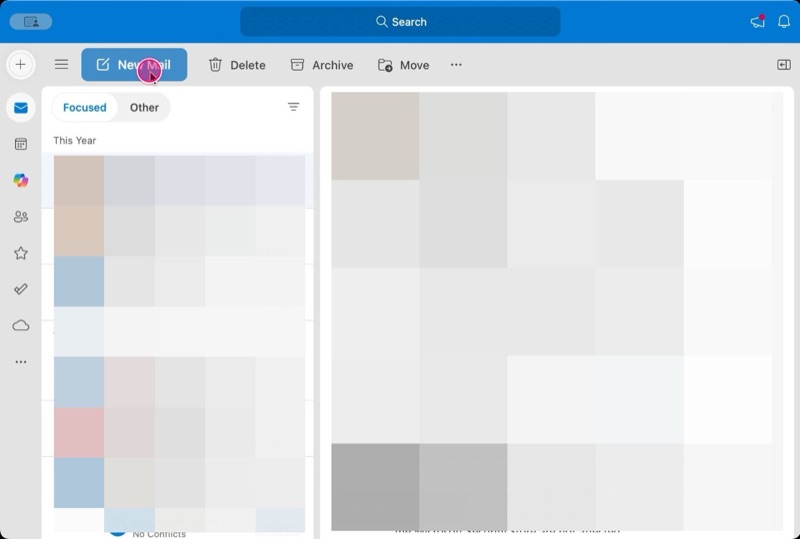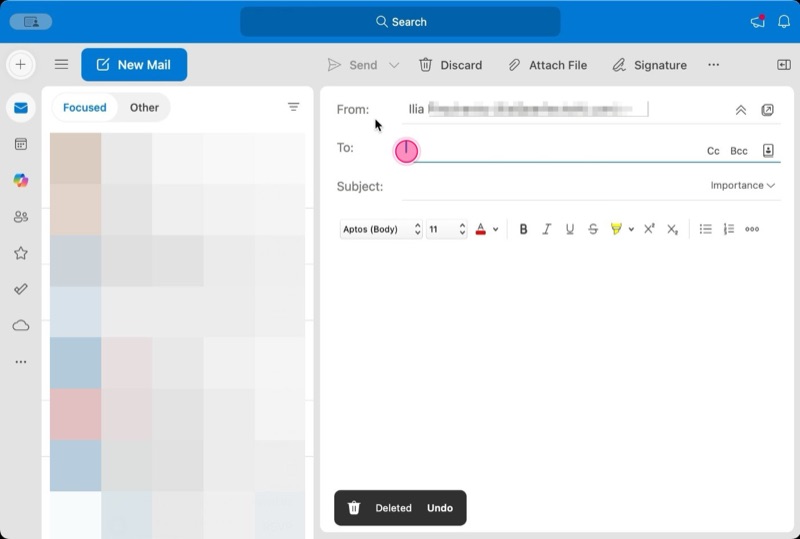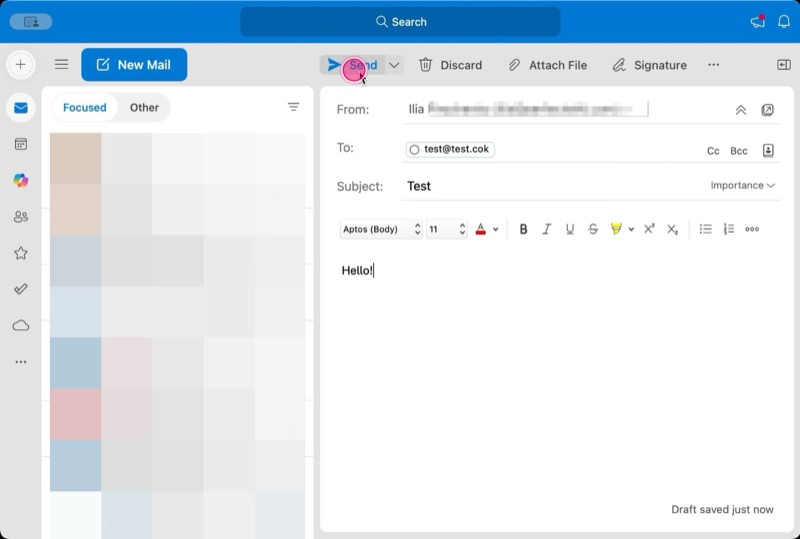


- Owner
- Laboratory Manager
- Effective date
- September 15, 2026
- Review cycle
- Every 12 months
1.Purpose
To ensure every sample entering the laboratory is correctly identified, inspected for integrity, accessioned in the LIMS and stored under the right conditions before testing begins.
2.Scope
Applies to all samples received by courier, drop-off or internal transfer for testing. Samples requiring a formal chain-of-custody record are also covered by the chain-of-custody SOP.
Definitions
- Accessioning
- Assigning a unique sample ID in the LIMS and linking it to the test order.
- LIMS
- Laboratory Information Management System used to track samples, tests and results.
- STAT sample
- A sample flagged for urgent turnaround ahead of routine samples.
3.Responsibilities
- Sample Receiving Technician
- Receives, inspects and logs incoming samples, and flags any that do not meet acceptance criteria.
- Lab Analyst
- Confirms test requirements match the sample type and picks up accessioned samples for testing.
- Laboratory Manager
- Resolves rejected sample escalations, approves exceptions and reviews the receiving log.
- Client Services Coordinator
- Contacts clients about rejected, mislabeled or short samples and arranges recollection.
RACI matrix
| Activity | Sample Receiving Technician | Lab Analyst | Laboratory Manager | Client Services Coordinator |
|---|---|---|---|---|
| Log incoming shipment in LIMS | R/A | I | I | - |
| Inspect sample integrity and packaging | R/A | C | I | - |
| Approve exception for borderline sample | R | C | A | I |
| Contact client about rejected sample | I | - | A | R |
| Store sample pending testing | R/A | I | - | - |
R = Responsible, A = Accountable, C = Consulted, I = Informed
4.Materials and PPE
Materials, tools and systems
- →LIMS terminal with barcode scanner
- →Sample receiving log
- →Barcode label printer
- →Chain-of-custody and requisition forms
- →Insulated shipping coolers with temperature loggers
- →Quarantine refrigerator and freezer
- →Sample intake bench with disinfectant wipes
Personal protective equipment
- →Disposable nitrile gloves
- →Lab coat
- →Safety glasses or goggles
5.Procedure
- 5.1
Log the incoming shipment
Sample Receiving TechnicianWhen a shipment arrives, record the courier, time of arrival and number of containers in the sample receiving log before opening any packaging.
- 5.2
Inspect packaging and temperature
Sample Receiving TechnicianOpen the outer packaging and check for damage, leaks or broken seals. For cold-chain samples, read the temperature logger or ice pack condition and record the result immediately.
Checkpoint: Samples outside the required temperature range are flagged for review before accessioning.
- 5.3
Verify order and requisition paperwork
Sample Receiving TechnicianMatch each sample to its test requisition or electronic order, checking the patient or project ID, tests requested, and collection date and time.
- 5.4
Check sample integrity
Sample Receiving TechnicianConfirm each container is the correct type, adequately filled, properly capped and free of hemolysis, contamination or breakage. Note any short or clotted samples.
- 5.5
Confirm labeling accuracy
Sample Receiving TechnicianCompare the sample label to the requisition for name or project ID, unique identifier, and collection date and source. Do not accept samples with illegible or missing labels.
Warning: Never relabel a sample based on assumption; unresolved labeling issues must be rejected.
- 5.6
Accession the sample in the LIMS
Sample Receiving TechnicianCreate or confirm the accession record in the LIMS, print barcode labels, and affix one to each container and its aliquots.
- 5.7
Sort by test type and priority
Lab AnalystRoute accessioned samples to the correct bench or department, placing STAT samples in the priority rack for immediate pickup by the analyst.
- 5.8
Store under required conditions
Sample Receiving TechnicianPlace samples in the refrigerator, freezer or ambient rack matching the test method's storage requirement, and note the storage location in the LIMS.
Checkpoint: The storage location in the LIMS matches the physical rack or shelf position.
- 5.9
Quarantine rejected samples
Sample Receiving TechnicianMove any sample that fails inspection to the quarantine area, mark it as rejected in the LIMS with the reason, and do not release it for testing.
- 5.10
Notify the client of issues
Client Services CoordinatorContact the submitting client or department the same day for rejected, short or mislabeled samples, and document the conversation and any recollection arranged.
- 5.11
Escalate borderline exceptions
Laboratory ManagerFor a sample that is borderline but urgently needed, request the laboratory manager's written approval before releasing it for testing.
- 5.12
Close out and file records
Sample Receiving TechnicianAt the end of the shift, reconcile the receiving log against the LIMS accession list and file requisition paperwork in the sample folder.
6.Quality checks
- →Every accessioned sample has a legible label matching its requisition.
- →Cold-chain samples are logged with an arrival temperature within range.
- →Rejected samples are documented with a reason and client contact record.
- →Receiving log entries reconcile with the LIMS accession list each shift.
7.Records
- →Sample receiving log
- →LIMS accession records
- →Rejected sample log
- →Chain-of-custody and requisition forms
8.KPIs
- →Percentage of samples accessioned within target turnaround
- →Sample rejection rate
- →Average time from arrival to accessioning
- →Percentage of cold-chain samples within temperature range
9.Common mistakes
- →Accessioning a sample before checking its integrity.
- →Guessing a patient or project ID instead of rejecting an unlabeled sample.
- →Leaving cold-chain samples at room temperature while paperwork is checked.
- →Not documenting the reason for a rejected sample.
10.Revision history
| Revision | Date | Description | Reviewed by |
|---|---|---|---|
| 1.0 | September 15, 2026 | Initial release | Ilia Pirozhenko |
This is a template. Adapt it to your organization, equipment and local regulations before use.